NVIDIA H200 and the Evolution of AI Infrastructure Alternatives
Understanding the NVIDIA H200 and the Blackwell Series Successor
The landscape of artificial intelligence infrastructure is evolving rapidly with the introduction of the NVIDIA H200 and the upcoming Blackwell B200 architecture. These components represent the essential hardware required for scaling complex generative AI models and high-performance computing (HPC) tasks. For students, researchers, and technology partners at Bharath Lighthouse, choosing the right accelerator is a critical decision that impacts both performance and project budgets.
Key Highlights
- NVIDIA H200 features 141GB of HBM3e memory and 4.8 TB/s bandwidth.
- The Blackwell B200 is the official successor to the Hopper H-series.
- AMD Instinct MI300X and Intel Gaudi 3 provide strong market alternatives.
- Cloud-specific chips like AWS Trainium and Google TPUs offer tailored efficiency.
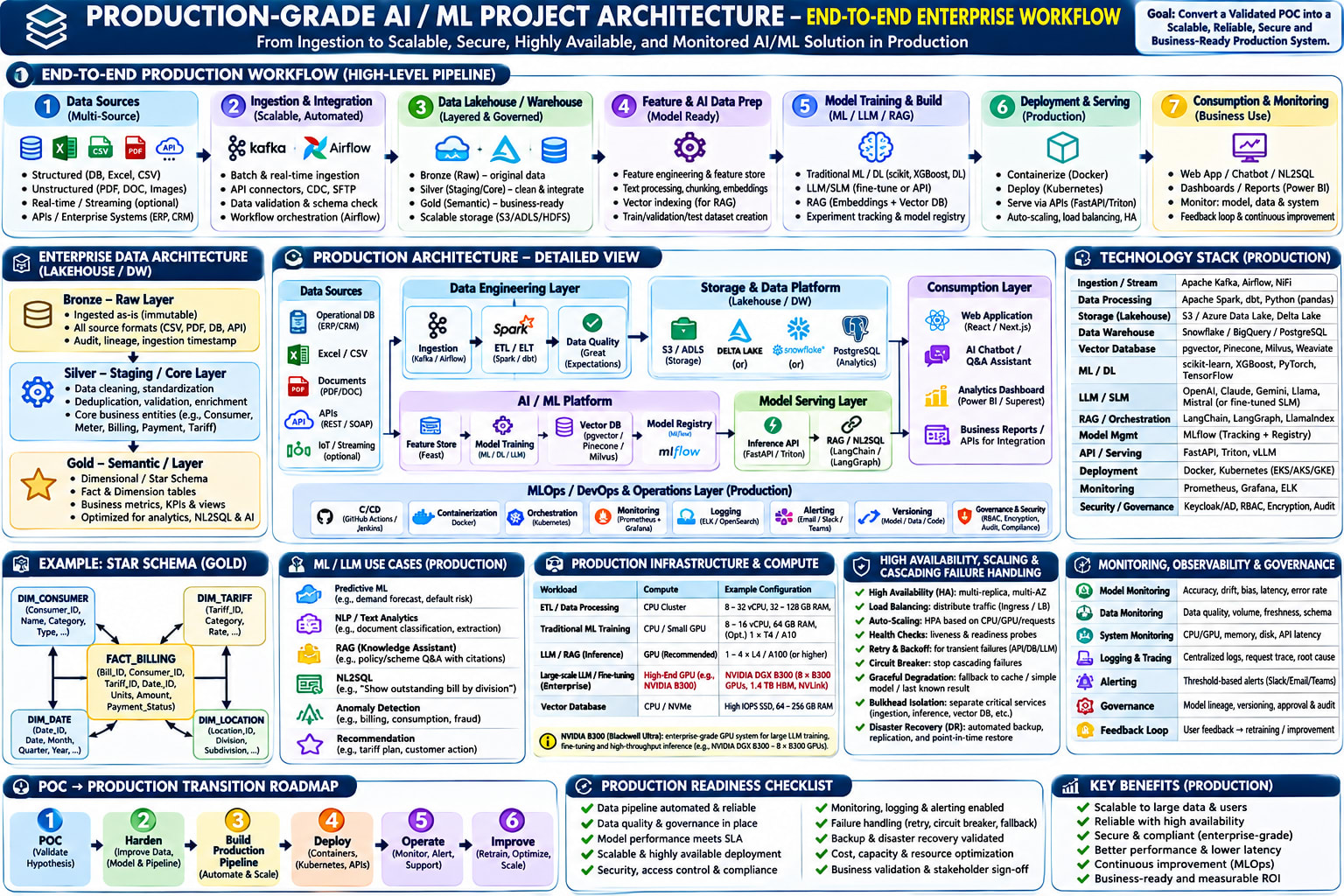
The Primary Purpose of the NVIDIA H200 GPU
The NVIDIA H200 is built on the "Hopper" architecture, specifically optimized to handle the rigors of generative AI and scientific simulation. As Large Language Models (LLMs) grow in complexity, they require hardware that can store massive parameter sets and process data at incredible speeds. The H200 addresses these needs by providing a significant upgrade in memory capacity and speed over previous generations.
With 141GB of HBM3e memory, the H200 allows researchers to run larger models on fewer GPUs, reducing the complexity of data center orchestration. The 4.8 TB/s of bandwidth ensures that data flows through the processor without bottlenecks, which is vital for real-time data analytics and the deployment of conversational AI. This makes it the current flagship for institutions looking to lead in foundation model training.
Clarifying the NVIDIA Roadmap: From H200 to Blackwell
There is often confusion regarding an "H300" GPU in the market. Based on current official roadmaps, the successor to the H200 is not titled the H300, but rather the Blackwell architecture, specifically the B200. The Blackwell series is designed to replace the Hopper H-series as the high-end standard for AI infrastructure.
The Blackwell B200 represents a major advancement in performance and efficiency. While the H200 is the pinnacle of the Hopper line, the B200 is engineered to push the boundaries of LLM training and inference even further. Organizations planning their long-term infrastructure should look toward Blackwell as the next logical step beyond the H-series hardware currently available.
Market Alternatives for AI Scaling
While NVIDIA maintains a dominant position, several competitive alternatives offer compelling performance for specific use cases. AMD's Instinct MI300X has emerged as a powerful challenger, particularly due to its high memory capacity and cost-efficiency. It is frequently utilized for large-scale model training where memory density is a primary requirement.
Intel's Gaudi 3 is another significant alternative, designed specifically to provide high performance for AI workloads without the premium cost often associated with the most popular chips. Additionally, major cloud providers have developed their own custom silicon to provide better integration for their users:
- Google TPU (Tensor Processing Unit): Highly optimized for TensorFlow and other AI frameworks within the Google Cloud ecosystem.
- AWS Trainium: A custom chip designed by Amazon Web Services for high-performance deep learning training.
- AWS Inferentia: Designed to provide low-cost, high-throughput inference for models already in production.
Choosing the Right Accelerator for Your Use Case
The choice between an NVIDIA H200, a Blackwell B200, or an alternative like the AMD MI300X depends largely on the specific scale of the project. For massive foundation model training, the H200 and B200 remain the industry benchmarks due to their widespread software support and high bandwidth. However, for organizations focused on cost-efficiency or those operating within specific cloud environments, chips like the Gaudi 3 or AWS Trainium can offer superior value.
Students and educators should also consider the availability of these resources. While flagship GPUs are the gold standard, many academic and small-scale research projects can achieve their goals using slightly more accessible alternatives or custom cloud-based accelerators. Understanding the hardware layer is as important as understanding the software for any future AI professional.
Frequently Asked Questions
Does the NVIDIA H300 GPU exist?
Currently, there is no official H300 GPU in NVIDIA's roadmap. The successor to the Hopper-based H200 is the Blackwell architecture, which includes the B200 GPU.
What is the main advantage of the H200 over previous versions?
The H200 provides 141GB of HBM3e memory and a bandwidth of 4.8 TB/s, which allows it to handle much larger datasets and more complex AI models compared to its predecessors.
What are the top alternatives to NVIDIA GPUs for AI training?
The primary alternatives include the AMD Instinct MI300X, Intel Gaudi 3, and specialized cloud chips such as Google TPUs and AWS Trainium.
Conclusion
The evolution from the H200 to the Blackwell series highlights the rapid pace of hardware development in the AI sector. Whether you are a student learning the ropes of high-performance computing or a technology partner building the next generation of LLMs, Bharath Lighthouse is here to help you navigate these infrastructure choices. We invite you to connect with us to learn more about how these technologies can be integrated into your educational and research initiatives.

Comments
Post a Comment