Large Language Models vs Small Language Models: A Comparison
Understanding the Difference Between Large Language Models and Small Language Models
Understanding the distinction between Large Language Models (LLMs) and Small Language Models (SLMs) is essential for selecting the right AI architecture based on task complexity, computational resources, and parameter requirements. As Artificial Intelligence continues to integrate into educational and professional environments, knowing which model fits a specific need is a critical skill for students, educators, and technology partners alike. We are seeing a shift where the size of a model is no longer the only measure of its value, as efficiency and specific application become equally important factors in the decision-making process.
Key Highlights
- LLMs feature a high parameter count, often in the tens or hundreds of billions, requiring significant power.
- SLMs utilize a lower parameter count, typically ranging from millions to a few billion, for increased efficiency.
- Parameters are internal variables or weights learned during training that determine how information is processed.
- Model selection balances performance requirements with operational costs and available computational memory.
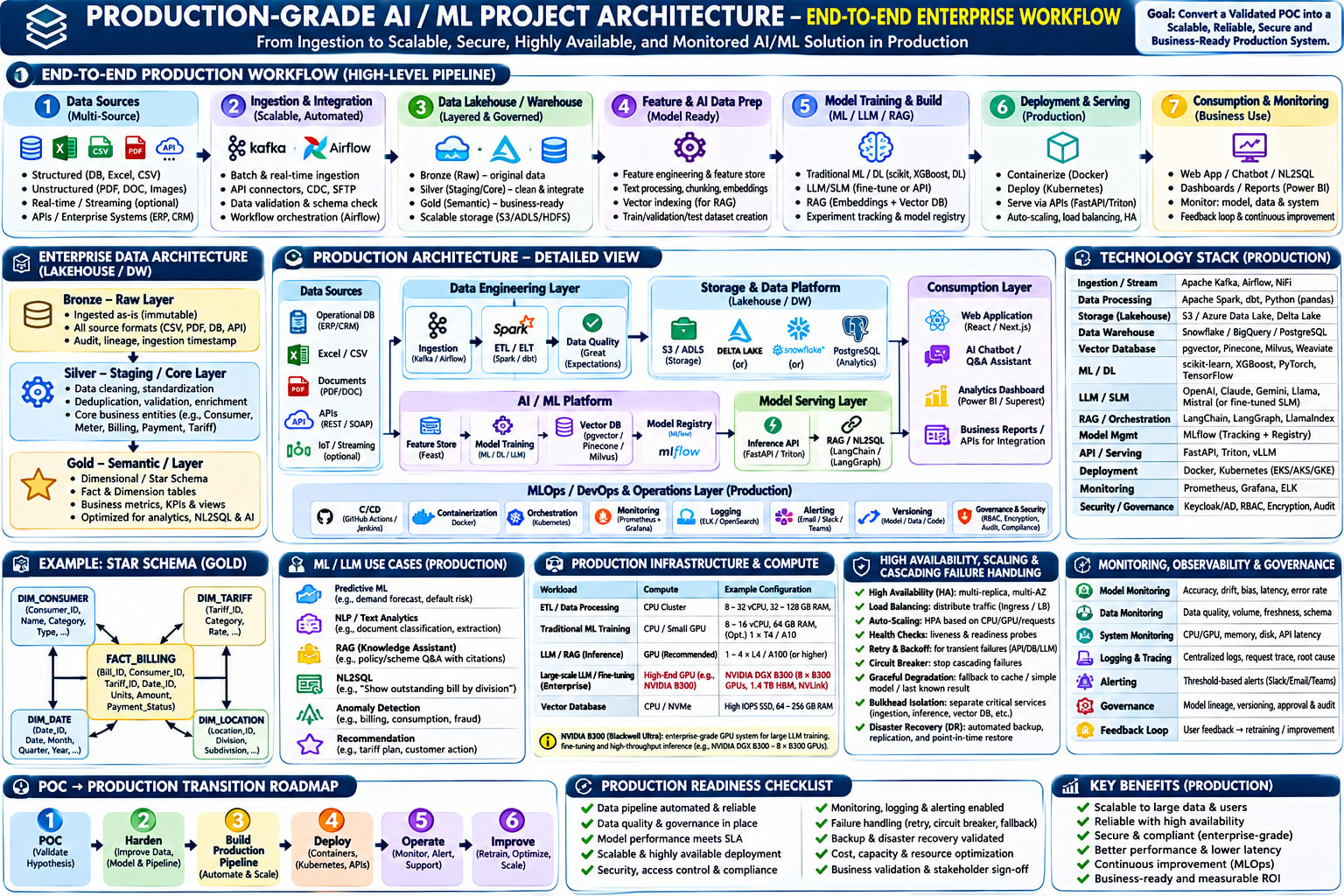
The Role of Parameters in AI Architecture
To understand the difference between these models, one must first understand the concept of parameters. In the field of Artificial Intelligence and Machine Learning, parameters are the internal variables or weights that a model learns during its training phase. These weights are fundamental because they determine the model's ability to process, interpret, and generate information. Essentially, the more parameters a model has, the more complex the patterns it can potentially recognize and replicate.
When we discuss the scale of these models, the gap is significant. Large Language Models are designed to handle vast amounts of data and complexity, which is why they often feature parameter counts in the tens or hundreds of billions. This high count allows the model to perform broad tasks with a high degree of nuance. However, this complexity comes at a cost, as these models require significant computational power and extensive memory to function effectively.
Large Language Models: Power and Complexity
Large Language Models (LLMs) have become the standard for tasks that require deep reasoning and a broad understanding of human language. Because of their massive parameter counts, they are exceptionally capable in areas like natural language processing, complex text generation, and multilingual translation. For educators and students, LLMs can serve as powerful tools for research and content creation, provided the necessary infrastructure is available.
The primary challenge with LLMs is their demand for resources. They typically require high-end hardware, including advanced GPUs and substantial RAM, to handle the billions of weights being processed simultaneously. This makes them more suitable for centralized cloud deployments rather than local or portable devices. For technology partners, the decision to use an LLM involves a careful cost analysis regarding training and inference expenses, as the energy and financial investment can be substantial.
Small Language Models: Efficiency and Edge Computing
In contrast to the "bigger is better" philosophy, Small Language Models (SLMs) focus on efficiency and specific utility. With parameter counts ranging from millions to a few billion, these models are designed to be leaner and faster. This efficiency makes them ideal for deployment on edge devices, such as smartphones, tablets, or local school servers, where computational power may be limited.
SLMs are particularly effective for specific, well-defined tasks. While they may not possess the same level of general knowledge as an LLM, they can be highly optimized for coding assistance, data analysis, or specific natural language processing tasks. For institutions and technology partners, SLMs offer a way to implement AI solutions without the need for massive infrastructure, effectively lowering the barrier to entry while maintaining high performance for specialized applications.
Balancing Performance with Operational Costs
Selecting the right AI architecture is a matter of balancing performance with operational costs. While LLMs offer unmatched versatility, SLMs provide a level of computational efficiency that is hard to ignore. When moving from an LLM to an SLM, there are often trade-offs in general accuracy across broad topics, but for many targeted applications, an SLM can perform just as well while consuming a fraction of the resources.
At Bharath Lighthouse, we encourage students and technology partners to look beyond the hype of model size. Instead, focus on the specific requirements of your project. If you are developing an application for a device with limited memory, an SLM is likely the superior choice. Conversely, if your goal is to build a system capable of complex, multi-stage reasoning across diverse subjects, the high parameter count of an LLM may be necessary. Understanding these nuances is the first step toward responsible and effective AI implementation.
Frequently Asked Questions
What are the main uses for LLMs and SLMs?
Both models are used for a variety of tasks including natural language processing, text generation, translation, coding assistance, and data analysis. The choice between them depends on the complexity of the task and the available hardware.
Why would someone choose an SLM over an LLM?
An SLM is often chosen for its computational efficiency and lower memory requirements. They are ideal for edge devices or specific tasks where the high operational costs and power requirements of an LLM are not practical.
How do parameters affect an AI model?
Parameters are the weights the model learns during training. They act as the internal variables that determine how the model processes information. A higher parameter count generally allows for more complex processing but requires more computational power.
Conclusion
The evolving landscape of Artificial Intelligence offers a range of tools, from the massive scale of Large Language Models to the streamlined efficiency of Small Language Models. By understanding the role of parameters and the computational requirements of each, students, educators, and technology partners can make informed decisions that align with their goals. We invite institutions and partners to connect with Bharath Lighthouse as we continue to explore the practical applications of these powerful technologies.


Comments
Post a Comment